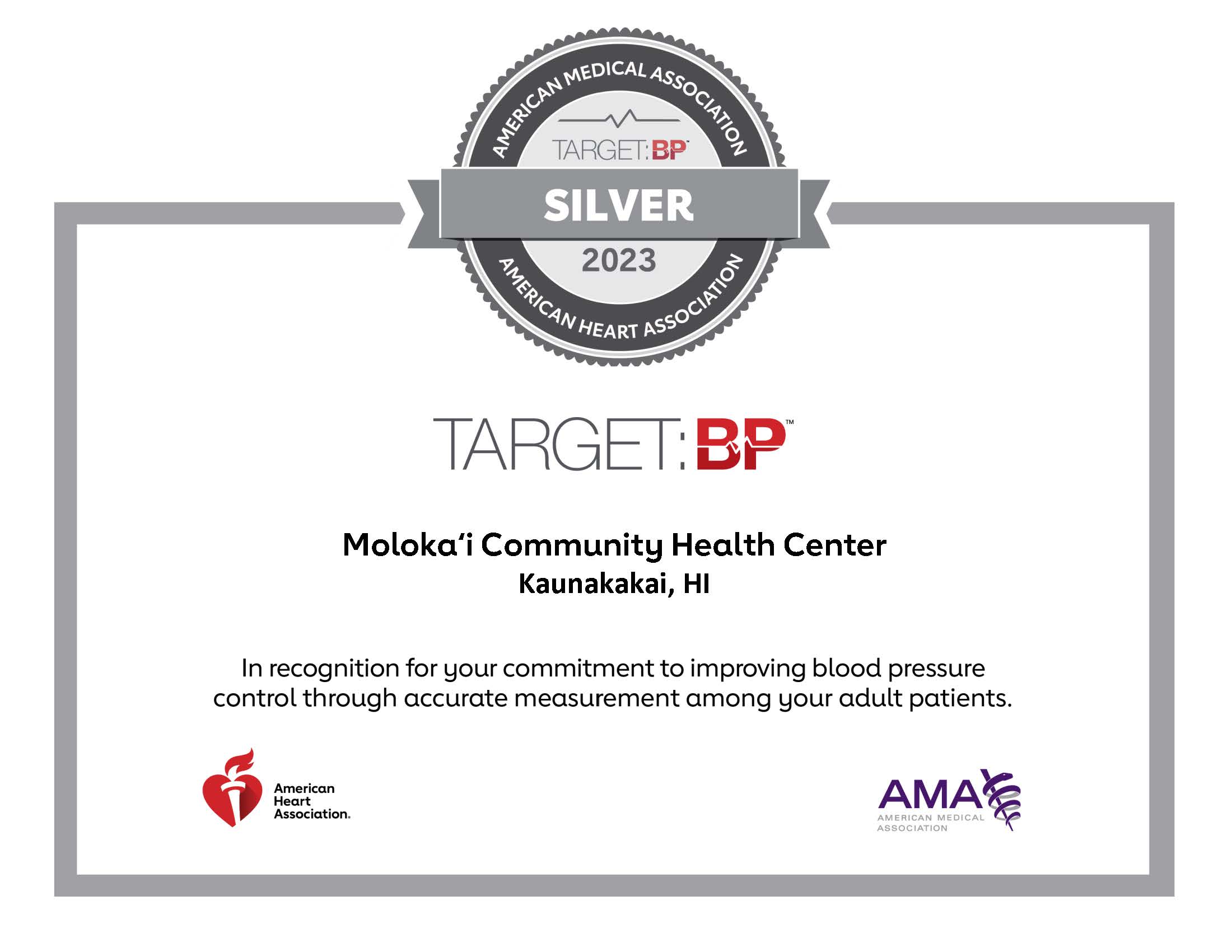
Molokai Ohana Health Care Inc. (MOHC), dba Molokai Community Health Center, is the only federally qualified health center (FQHC) on the island of Molokai, Hawaii. Our mission is to provide and promote accessible comprehensive individual and community health care to the people of Molokai with respect and aloha. The vision of the organization is that all people have optimal physical, mental and spiritual health. We plan to operate in a profitable, cost efficient manner that will expand quality and comprehensive medical, dental, behavioral health care, and social services to the people of Molokai regardless of their ability to pay. MOHC was created entirely by community volunteers and concerned residents of Molokai in response to the clear unmet need for expanded primary health care services on the island. MOHC has conducted an extensive community needs assessment, has garnered widespread community support, and is committed to primary care, medical, dental, and behavioral health on Molokai.
In 2002, MOHC applied for and received funding through the Bureau of Primary Health Care under Section 330 of the Public Health Service Act to develop a freestanding, centrally-located community health center providing core primary health care services that include family practice, behavioral health services, a dental clinic, nutrition services including the Women, Infant, and Children program (WIC), care enabling services such as outreach, care management, and eligibility services. Additionally, MCHC provides culturally rich programs on preventative lifestyle practices and traditional healing modalities such as lomi lomi and acupuncture services. As a federally qualified health center (FQHC) MOHC receives enhanced reimbursement from MedQuest, Medicaid and Medicare.
In recognition of the many challenges facing rural Molokai, MOHC has been established in Kaunakakai, Hawaii. MOHC is committed to building healthy rural communities through means of collaboration, communication, and education. The primary mission of MOHC is to respond to the healthcare needs of Molokai residents and visitors. This is accomplished by working collaboratively and sharing limited resources with existing institutions to provide the knowledge, tools, and resources needed to address rural challenges at the local level
The service area for MOHC is the island of Molokai (261 square miles) — the fifth largest of Hawaii’s six inhabited islands, with a total population of approximately 6,980 residents. The island of Molokai has been designated a Medically Underserved Area and a Health Professional Shortage Area for Primary Care, Dental Care and Mental Health, by the U.S. Public Health Service. The primary ethnic groups [some residents are represented more than once due to mixed ethnicitieson the island are Native Hawaiian/Part Hawaiian (60 %), Asians/Part Asian ( 27%), and Caucasian/Part Caucasian ( 42%). The target population consists of the individuals on Molokai who live below 200% of the federal poverty guidelines, which is approximately 45% of the population.
The major health care needs of the target population include maternal and child health risks, baby bottle tooth decay, childhood asthma and obesity, teen substance abuse and chronic health conditions in adults include diabetes, asthma, heart disease, high blood pressure, obesity, mental health illnesses and substance abuse.
The island has one the lowest overall rankings in the state in measurements of economic health, socio-economic stability and food security. It has an unemployment rate of 4.9%. A reported 40% of the population rely on subsistence farming, hunting, and fishing. Most of the large employers of previous decades, including Dole Pineapple and Kaluakoi Resort, closed their doors, leaving many residents dependent upon part time or seasonal jobs that often lack health benefits. About 7% of the island is uninsured. Poverty, language, geographical isolation, and the high cost of off-island travel remain as the primary access barriers to comprehensive health care on Molokai.
 30 Oki Place